The technology

The next era of manufacturing, powered by engineered enzymes

Rubi manufactures materials with enzyme-powered biocatalysis: computationally engineered, deployed cell-free at industrial scale, and fed by abundant carbon.

02 / The PROCESS

Enzymatic Manufacturing

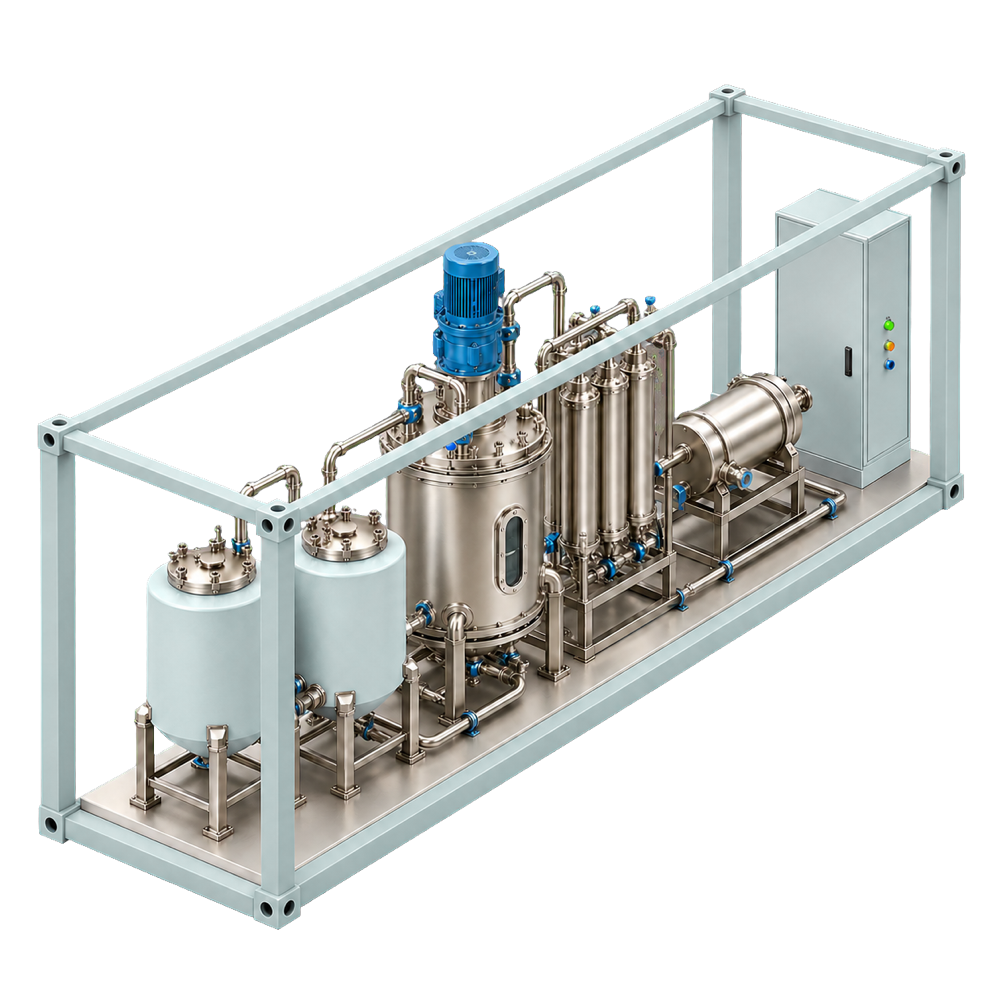
Our modular cell-free biocatalysis production units are designed to operate on a skid in a container-sized footprint, enabling deployment to point-of-need and ultra-low capital costs.
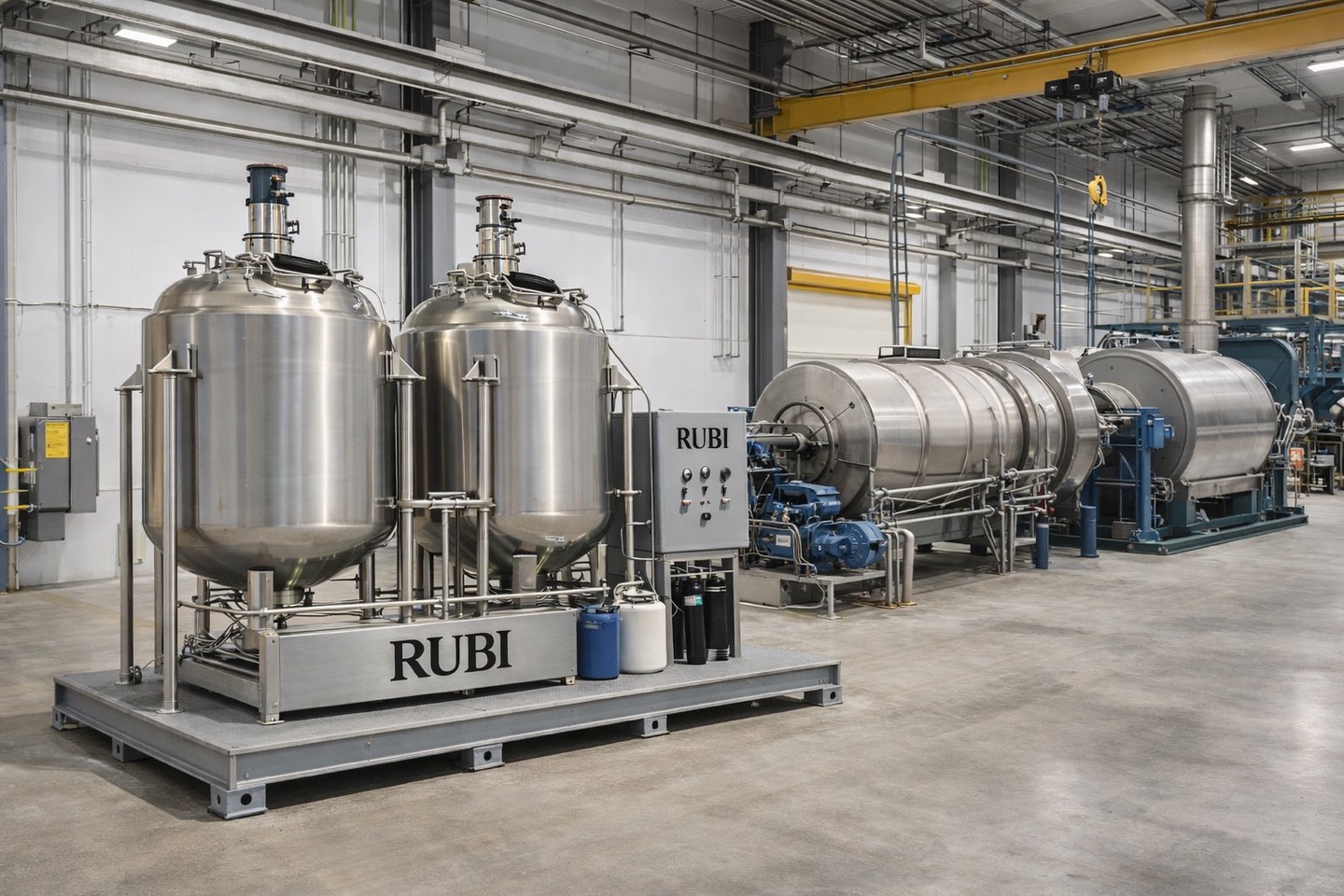
Rubi industrial stainless steel processing equipment labeled RUBI in a large factory setting with pipes, tanks, control panels, and machinery on a concrete floor.
Deployed anywhere, on modular, mass-manufactured hardware
17x more output per square foot than incumbent processes
50% lower capital cost per annual ton
80% faster from plant start to first product
Catalyst performance improves continuously through enzyme engineering — no hardware changes
Unlocks a cheaper fiber category for the first time in 70 years at scale
INSIDE The process

Carbon transformed

Rubi's proprietary multi-enzyme cascades and molecular energy delivery systems enable biocatalysis from abundant carbon sources at scale.
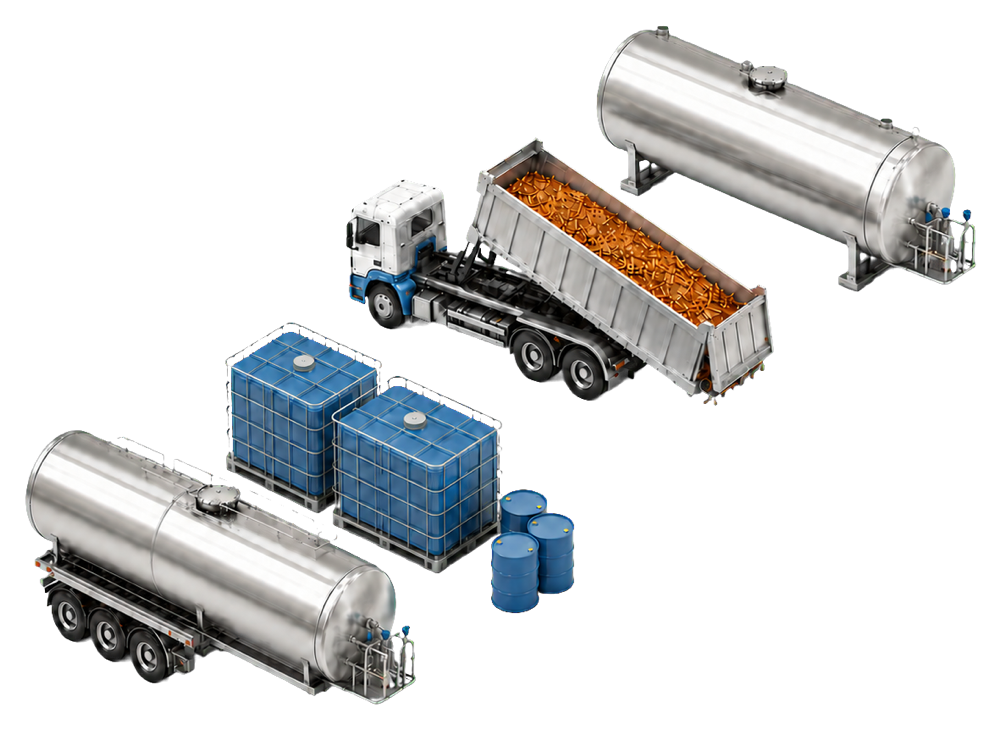

Rubi Laboratories utilizes abundant carbon feedstocks like CO2, biomass, methanol, and sugars using an enzyme biocatalysis system to produce high value products like textiles, cellulose, fibers, chemicals, and polymers.
1
Abundant carbon feedstocks
Industrial sugars, waste biomass, methanol, or CO₂ provide flexible alternatives to petroleum-based feedstocks.
Vertical pattern of small blue circles and plus signs scattered mostly on the left side of a white background.
Rubi Laboratories industrial enzymatic manufacturing plant in modular, containerized, skid-based unit with metal tanks, pipes, filtration columns, a motor, and a control panel mounted on a metal frame base.
2
Enzymatic conversion
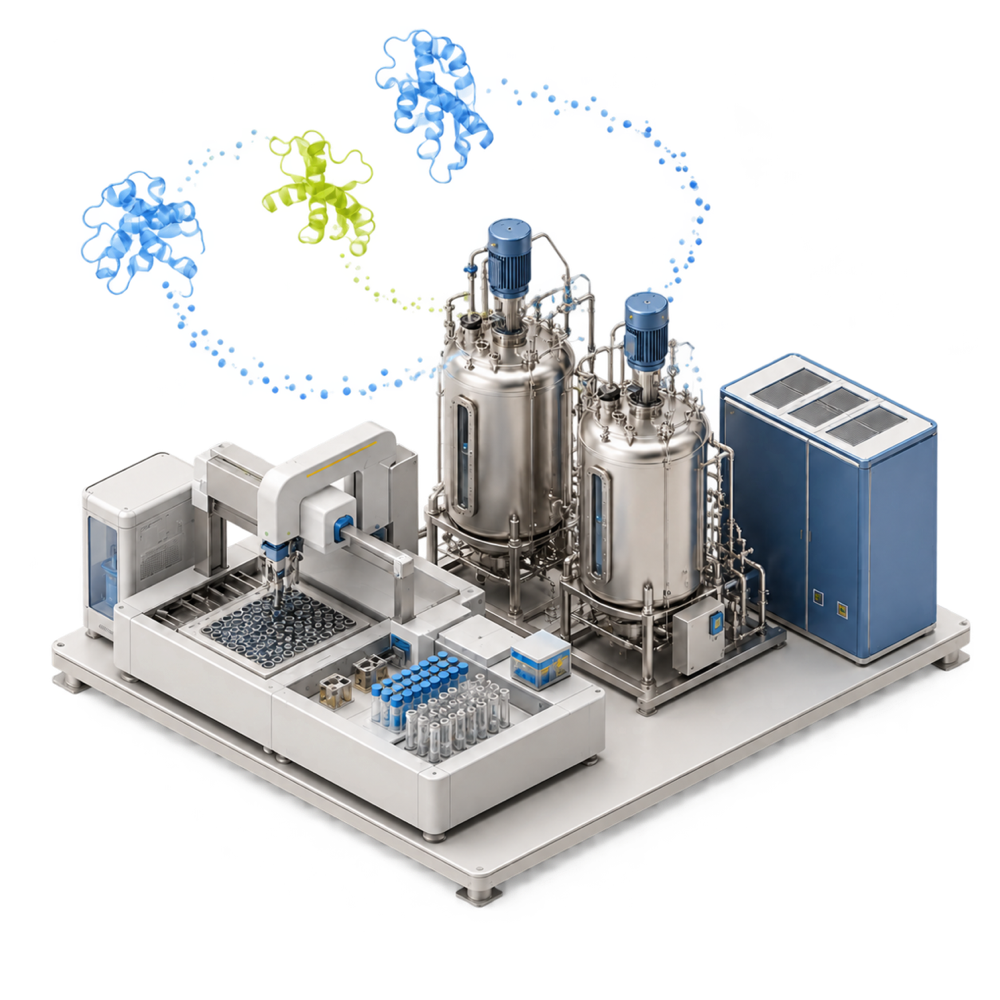
AI-engineered enzyme cascades build products unit by unit, cell-free, in modular skid reactors. Tunable in-process.
Vertical pattern of small blue circles and plus signs scattered mostly on the left side of a white background.
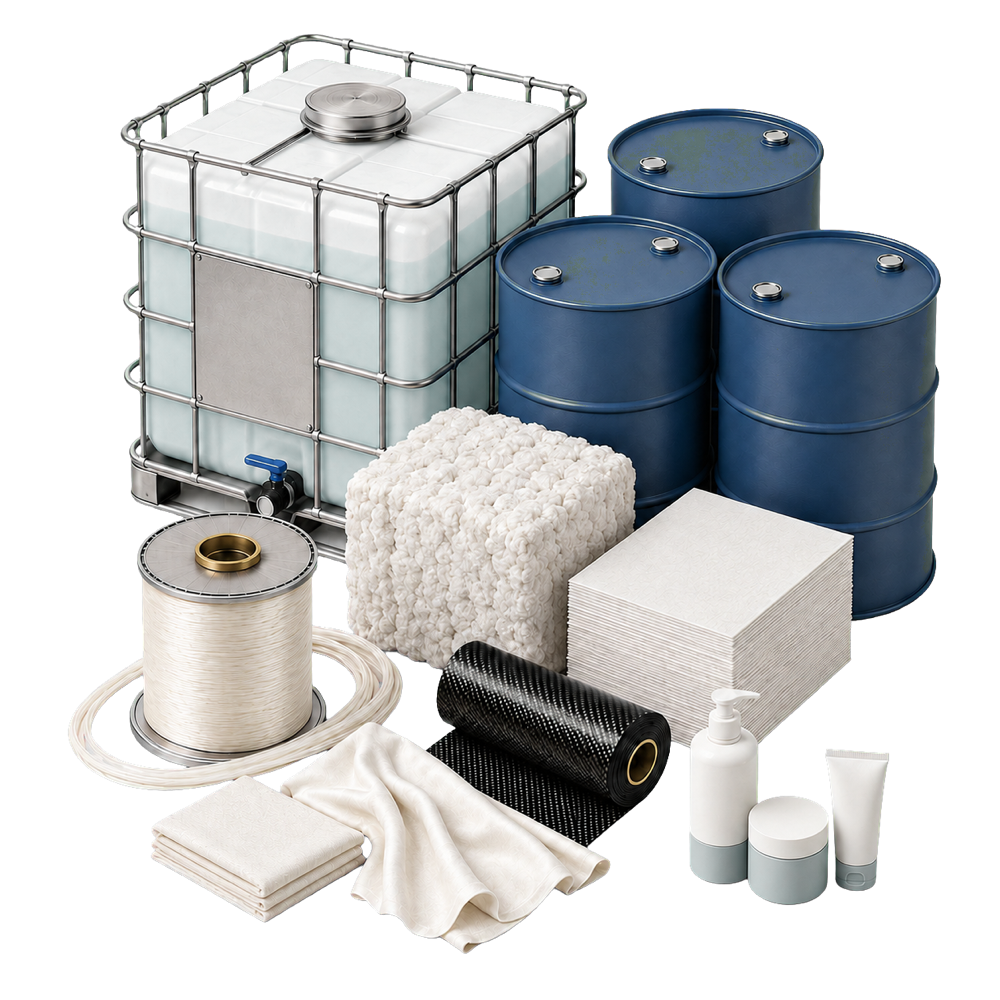
Rubi Laboratories produces advanced materials and chemicals. Luxury textiles, mass-market textiles at price parity, carbon fiber precursors, chemicals like ethylene glycol, polymers for personal care and cosmetics, cellulose pulp, and more.
3
Materials out
Cellulose pulps and fibers, tunable biopolymers, and biochemicals, finished on the same equipment industry already runs.
Rubi Laboratories is a leading AI enzyme engineering startup using computational enzyme engineering for industrial enzymes. Rubi has developed a proprietary industrial enzymes data moat.
01 / The engine

The Industrial Enzyme Foundry

We design, test, and deploy enzymes under one roof. This vertically integrated platform allows data from every engineering campaign and production run to feed back into our engineering, rapidly improving industrial enzyme performance and cost.

Inside the Foundry

AI-guided enzyme engineering

Our enzymes catalyze reactions, building a precise target product bond by bond. Rubi's AI and computational engineering design improved variants, which are validated in-house in real industrial conditions.

Every engineering campaign and production run measures how enzymes actually perform in industrial conditions — proprietary data that does not exist in public databases.

Enzyme engineering is distinct from protein engineering and still largely inaccessible to frontier AI labs, software-only, or protein-focused teams. It requires specialized assays to screen performance, and industrial data does not exist publicly. Rubi has built this expertise and capability over several years, enabling high-throughput enzyme engineering and wet-lab screening that generate rich proprietary data and continuously improve our biocatalysts.

A new category

Enzymes that build things

The majority of the chemicals industry is powered by synthesis: reactions that use energy to build complex products from simpler ones. Industrial enzymes typically focus on decomposition only. Rubi is changing that.

The chemical industry runs on two kinds of processes.

Decomposition processes
Breaking things down
→

Decomposition reactions split large molecules into smaller, simpler ones. Products have low value.

Most industrial enzymes work here today
Corn syrup production
Wastewater treatment
Enzymatic plastic recycling
Synthesis processes
Building things up
→

Synthesis reactions add energy to assemble simple carbon into complex, high-value products. Products have high value.

Rubi
Rubi’s enzymes work here
Advanced cellulose fibers
Performance ingredients & polymers
Carbon fiber precursors

Synthesis processes make up about 80% of chemical industry’s value. Rubi unlocks enzymatic synthesis.

Global chemical industry (~$6 trillion), Estimated share of market value
Decomposition processes
20%
of market value

Where most enzyme companies work today: plastic recycling, sweeteners, wastewater treatment.

Synthesis processes
80%
of market value
Rubi
Rubi has unlocked industrial-scale synthesis with enzyme pathways.

Simple carbon in. High-value products out.

In
Simple, cheap carbon

Sugars, waste biomass, methanol, CO₂. Abundant inputs priced as commodities.

Rubi
Multi-step enzyme cascades

Optimized cascades of enzymes operate in simple hardware to synthesize products from inputs.

Out
Complex, high-value products

Advanced fibers, ingredients, and precursors sold on performance.

Value and margin increase from input to output

Key advantages

01
First at scale. Rubi is the first to scale enzyme biocatalysis pathways that synthesize complex industrial products from basic carbon inputs like CO2 and waste carbon.
02
Margin across the process. Low-cost inputs become high-value materials, and Rubi captures the value in between.
03
A deep technical moat. Cascades that build are hard to design, balance, and run at scale. We've developed the IP for energy delivery systems, pathway design and conditions, and hardware.

Rubi is the world leader in enzymatic manufacturing that builds complex products from simple carbon.

Tunable in-process

Enzymatic synthesis enables unmatched design and tunability within the process.
Polymer
Length, polydispersity, branching
Mechanical
Final tenacity, viscosity, rheology, structure
Form factor
Particle size, morphology, surface area
Chemistry
Derivatization, substitution, functional groups
Recognition

Award-winning technology

TIME America's Top GreenTech Companies 2025Young Inventors PrizeGlobal Change Award, H&M FoundationWorld Economic Forum Technology PioneerMIT Technology Review Innovators Under 35National Science FoundationNorrskenVogue BusinessThe Business of Fashion